How to turn a photo into a cross stitch pattern
- Choose a photo. Crop it first on your phone so the subject fills the frame. The less background, the more stitches go on the part you care about.
- Set the width in stitches. The height follows your photo’s shape. Watch the finished size under the preview so you know it will fit your frame or hoop.
- Pick your fabric. The count changes the finished size, the number of strands and how much floss you need, so pick the fabric you plan to buy.
- Choose how many floss colors. Start around 16 and move the slider while you watch the stitched preview. Stop when it looks right; every extra color is another skein to buy and thread.
- Print your chart. You get a cover page with your floss list, then the chart split across numbered pages with the center marked. Save it as a PDF to keep on a tablet if you prefer.
Picking the right size and fabric count
The fabric count is how many stitches fit in one inch. A higher count makes a smaller, finer piece from the same chart. Here is how wide a design comes out on the common Aida counts:
| Stitches wide | 11 count | 14 count | 16 count | 18 count |
|---|---|---|---|---|
| 50 stitches | 4.5 in | 3.6 in | 3.1 in | 2.8 in |
| 80 stitches | 7.3 in | 5.7 in | 5.0 in | 4.4 in |
| 100 stitches | 9.1 in | 7.1 in | 6.3 in | 5.6 in |
| 150 stitches | 13.6 in | 10.7 in | 9.4 in | 8.3 in |
| 200 stitches | 18.2 in | 14.3 in | 12.5 in | 11.1 in |
Always cut your fabric bigger than the design. We add three inches on every side, which leaves room for a hoop while you stitch and for framing afterwards. The tool shows the exact size to cut.
Aida or evenweave?
Aida has clear holes in a neat grid, so it is the easiest to count and kindest on tired eyes. 14 count is the classic choice for most projects. If you find small squares hard to see, 11 count gives bigger stitches and a bolder look. Evenweave and linen are stitched over two threads, so 28 count evenweave gives the same size as 14 count Aida with a softer, more heirloom finish.
How many floss colors should you use?
Simple pictures and clip art: 6 to 12 colors
Flowers, hearts, cartoon animals and anything drawn with flat colors look crisp with just a handful of shades. Fewer colors also means fewer threads to juggle, which makes it a relaxing first project.
Pets, portraits and landscapes: 20 to 40 colors
Fur, faces and skies are made of gentle shading. They need more colors so the change from light to dark looks smooth instead of blotchy. A pet portrait with 25 to 30 colors and 120 stitches across is a lovely size for a framed gift.
When to blend colors
The “blend colors” option scatters two nearby shades together, the way a printed photo uses tiny dots. It looks more realistic from a distance, but it means many more single stitches and color changes. For a calmer stitch, leave it off and add a few more colors instead.
Photos that make the best patterns
- One clear subject. A single cat on a cushion beats the whole family on the beach.
- Good, even daylight. Dark indoor photos turn into muddy browns once they become squares.
- A plain background. Or crop it away. With “leave white background unstitched” turned on, a photo on a white backdrop comes out with only the subject stitched.
- Strong contrast. Light against dark reads well even at small sizes.
- Close-ups for faces. Eyes need several stitches each, so fill the frame with the face.
How to read your printed chart
Each square on the chart is one full cross stitch, and each symbol matches a DMC color in your floss list. The darker lines every ten squares make counting easier, and the numbers along the edges tell you which rows and columns you are on when the chart runs across several pages. The dashed red lines mark the center.
Start in the middle. Fold your fabric in half both ways and crease it lightly; where the folds cross is the center of your design, and it matches the red lines on the chart. Working out from there keeps the design centered on the fabric. If you are new to stitching by hand, our guide to basic hand sewing stitches covers threading, knots and finishing off neatly.
What you need to start stitching
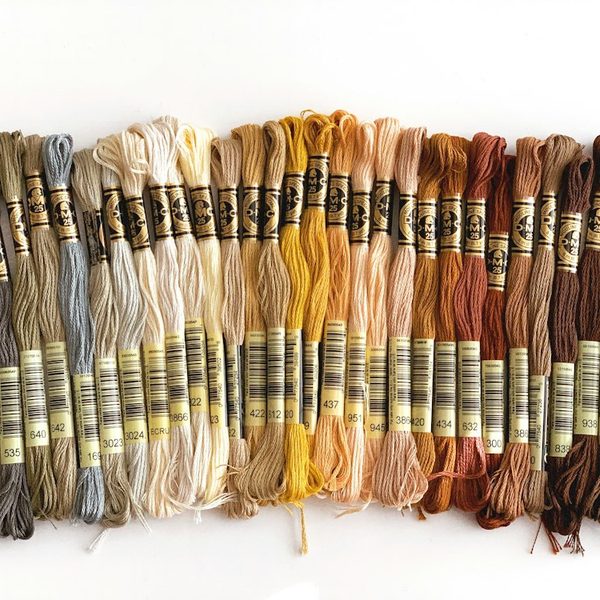
- DMC six-strand floss in the colors on your list. Craft stores sell single skeins, or buy a DMC floss assortment if you plan to make several patterns.
- Aida cloth in the count you chose. 14 count Aida in white or antique white suits almost everything.
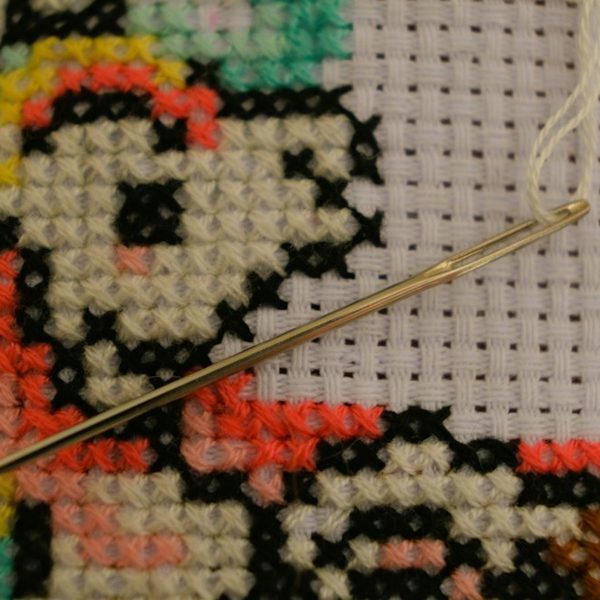
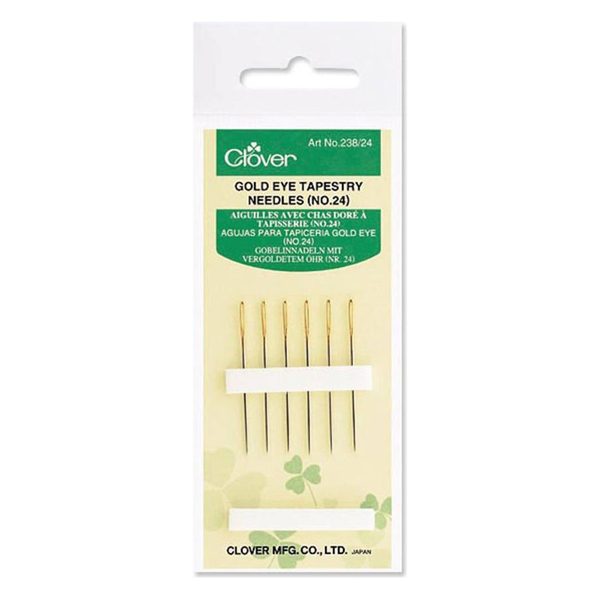
- Tapestry needles with a blunt tip, size 24 for 14 count and size 26 for 16 or 18 count. A mixed pack covers every count.
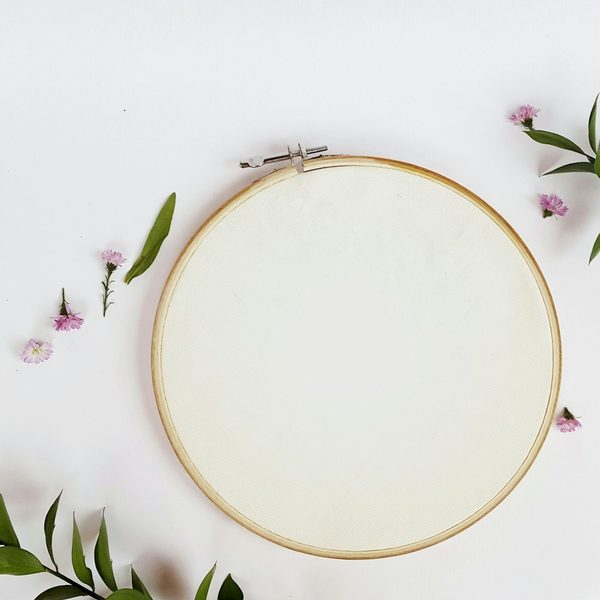
- An embroidery hoop or a Q-snap frame to keep the fabric taut. A 6 inch wooden hoop is easy to hold for long stretches.
- Floss bobbins and a box so you can label each color by its DMC number. An organizer box saves a lot of untangling.
- Good light. Counting squares is much easier in bright daylight-style light. See our picks for the best lighting for sewing and needlework.
If your hands get sore, a frame on a stand lets you stitch without gripping a hoop; our list of sewing tools for arthritis has more ideas. For a sewing project to show off your finished stitching, try the free drawstring project bag pattern or browse all our free sewing patterns. Own an embroidery machine? Our free monogram maker makes name and initial files in seconds.
Questions people ask
Is this cross stitch pattern maker really free?
Yes. There is no sign-up, no watermark and no limit on how many patterns you make. Your photo never leaves your computer or phone; the chart is built right in your browser.
What kind of photo makes the best cross stitch pattern?
A sharp, well-lit photo with one clear subject and a plain background. Pets, flowers, houses and simple portraits work beautifully. Busy backgrounds, dark indoor shots and tiny faces in a crowd are hard to read once they are turned into squares.
How many stitches wide should my pattern be?
For a small gift or ornament, 40 to 60 stitches. For a framed picture, 80 to 120. Portraits and pets need at least 100 stitches across so the eyes and nose have enough squares to look right. Remember that 140 stitches on 14 count Aida is a 10 inch wide piece.
Are the DMC color matches exact?
They are the closest DMC six-strand floss to each color in your photo, matched with the same color science paint shops use. Screens show color a little differently, so if a color really matters, such as a skin tone or a pet’s fur, check it against a DMC color card or the skein in the shop.
How much floss do I need?
The floss list estimates skeins for every color, based on the fabric and number of strands you choose, with extra allowed for starting and finishing threads. One DMC skein is 8 meters of six strands and covers roughly 1,700 full crosses on 14 count Aida using two strands.
Can I sell what I stitch from my pattern?
If the photo is yours, yes. Patterns made from your own photos are yours to stitch, give and sell. Photos of characters, logos or other people’s artwork belong to someone else, so keep those for personal projects.
Can I get the same photo as a machine embroidery file?
Not from this tool, because machine embroidery needs real stitch paths rather than a grid of crosses. Our digitizers can turn a pet photo or portrait into a file for your embroidery machine. Use the free quote form below.