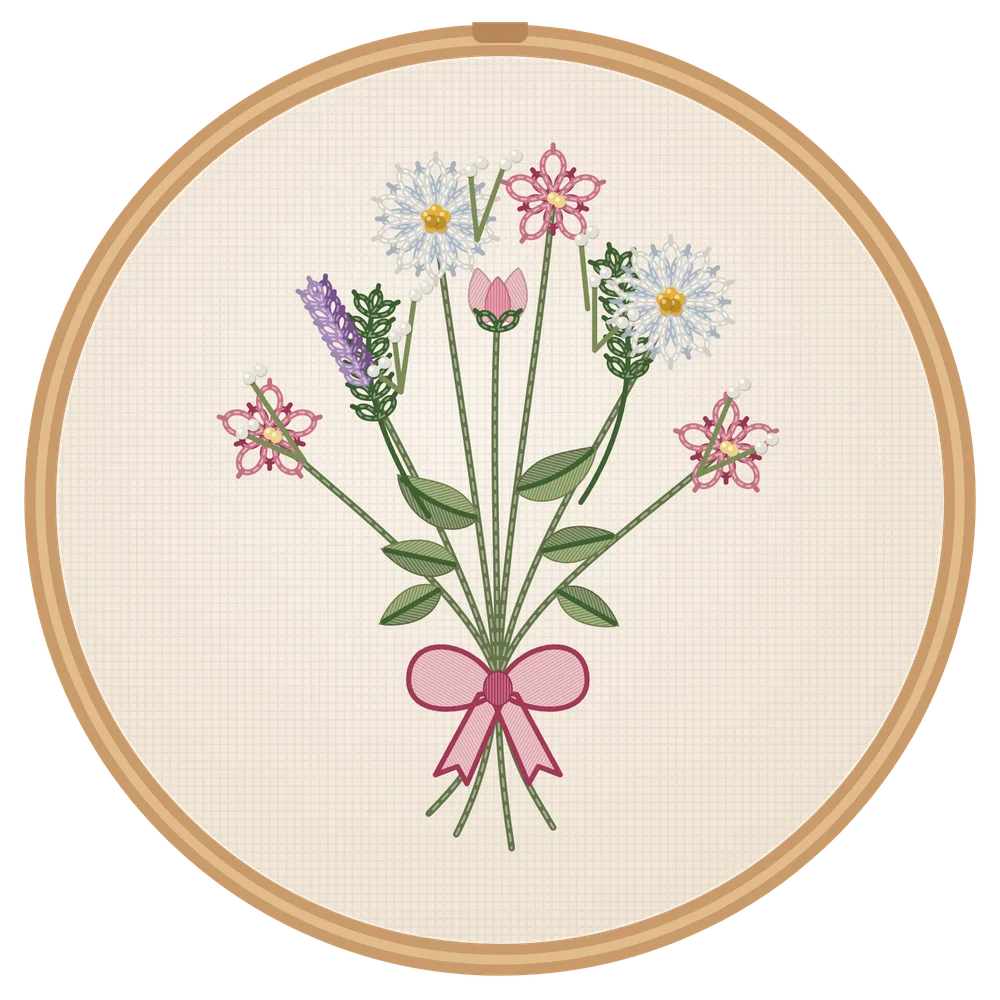
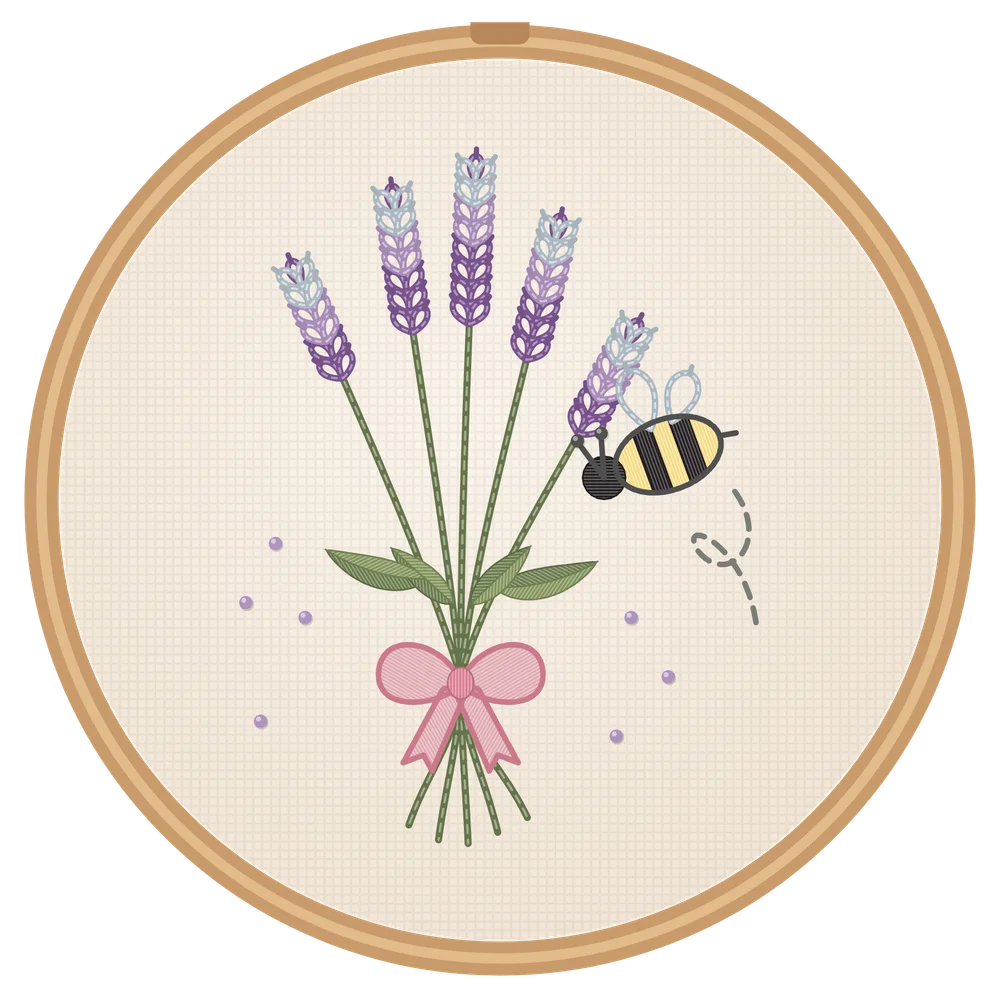
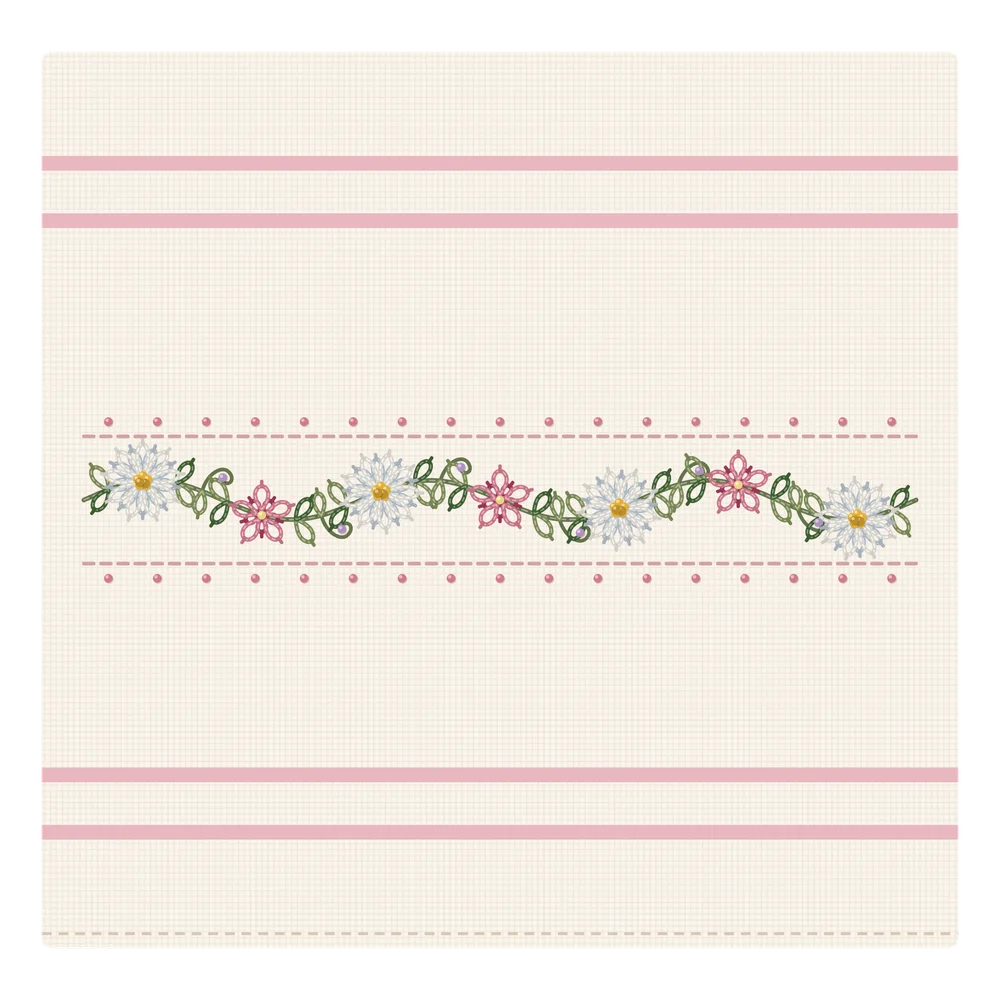
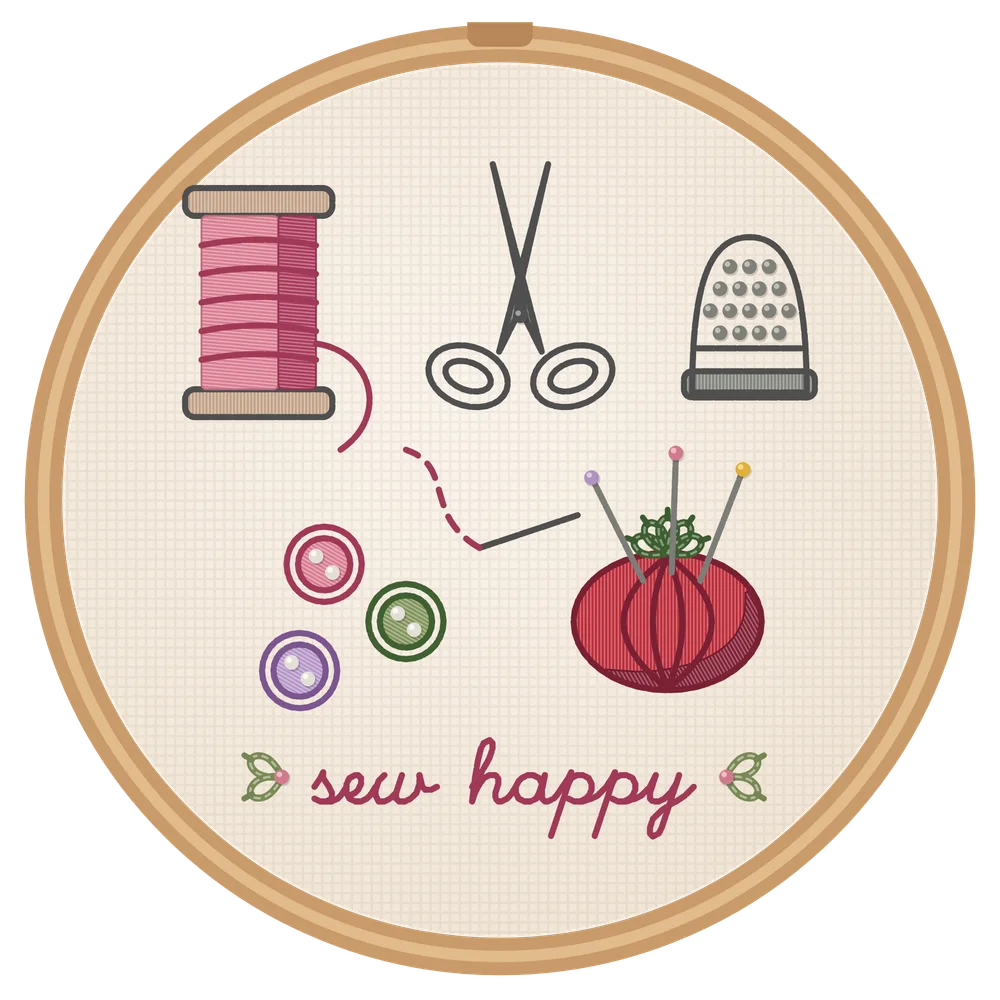
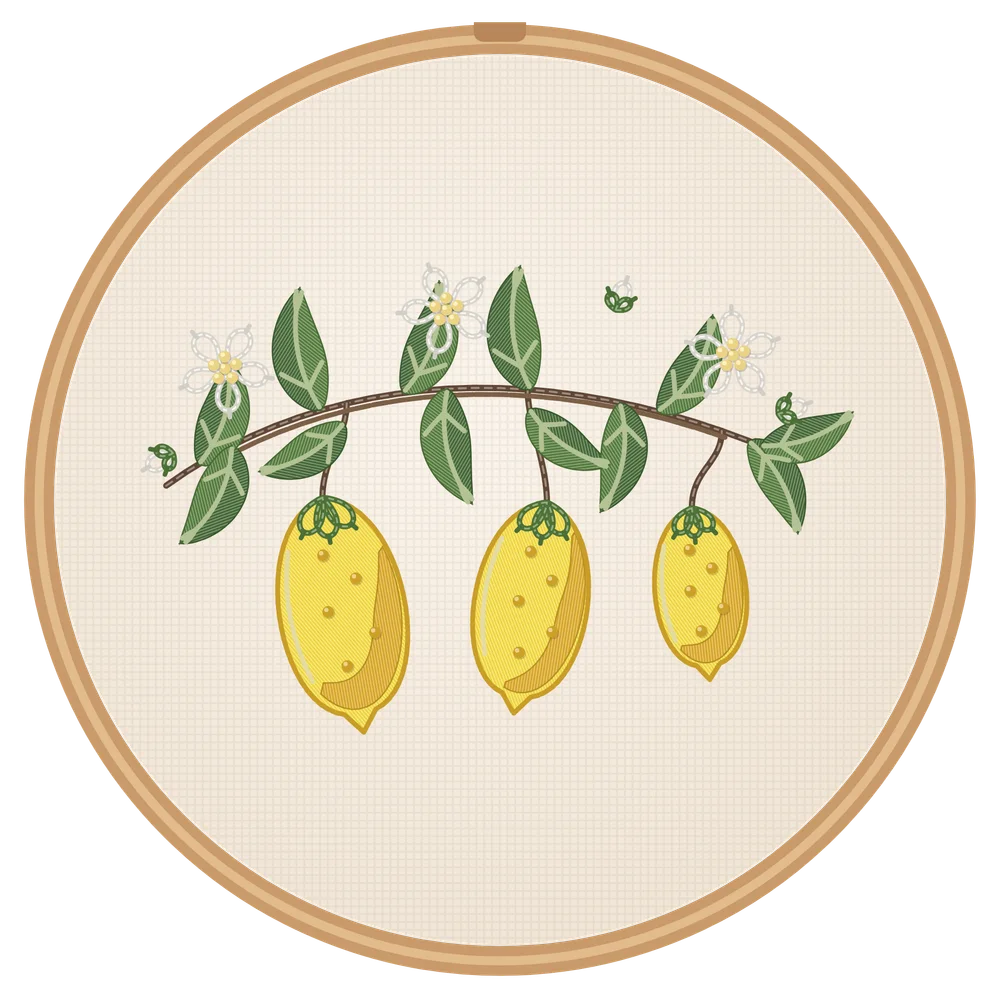
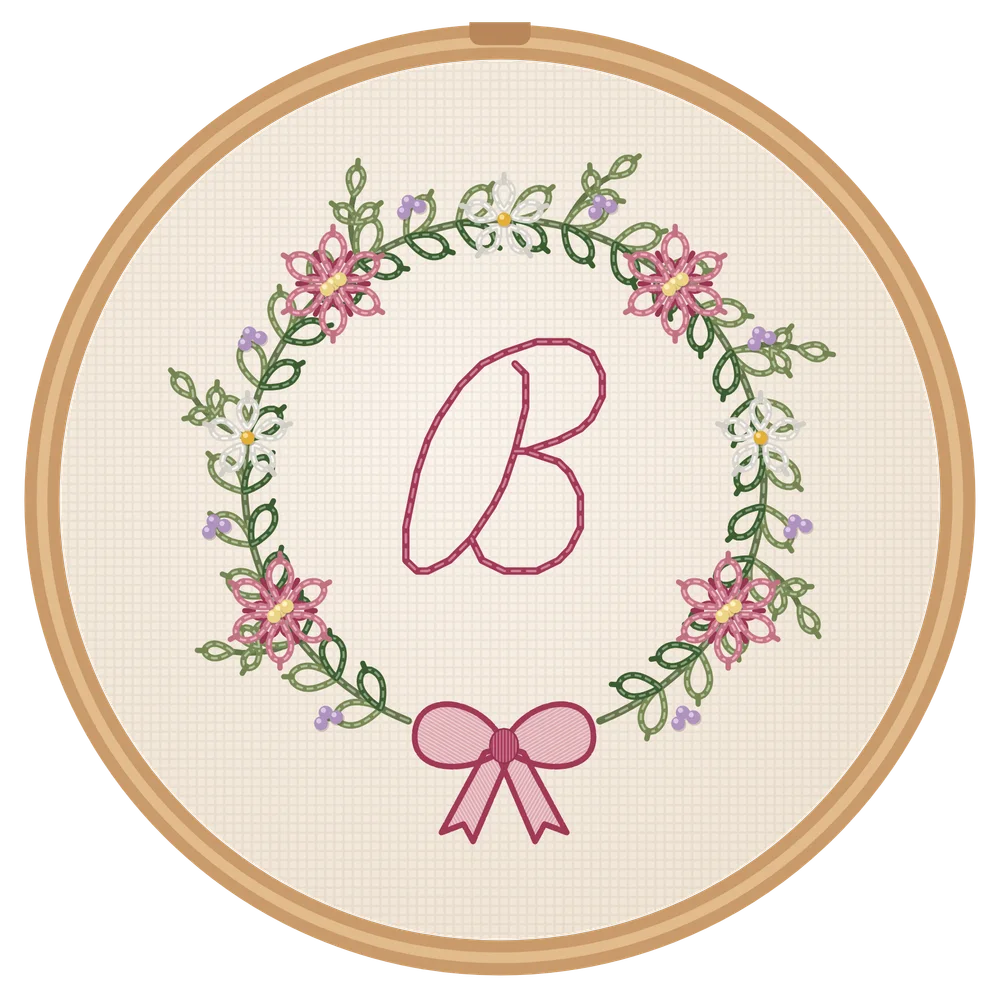
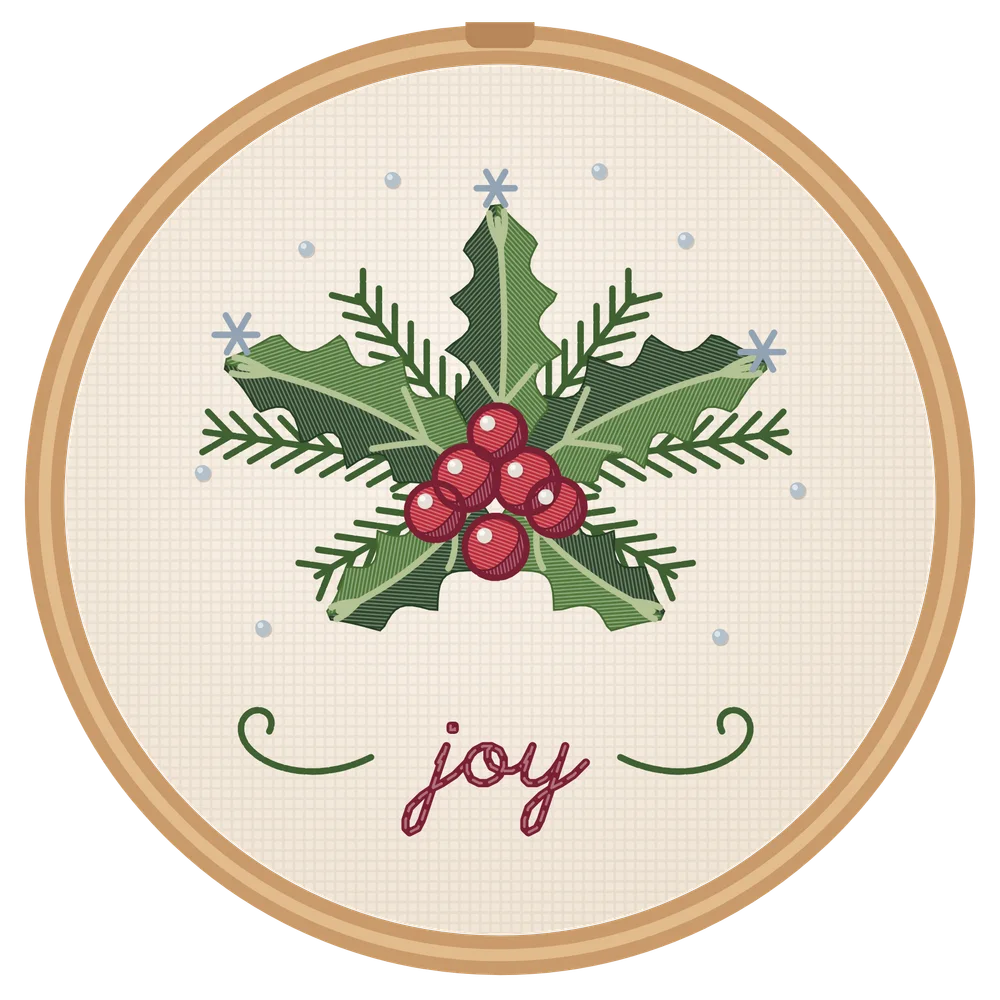
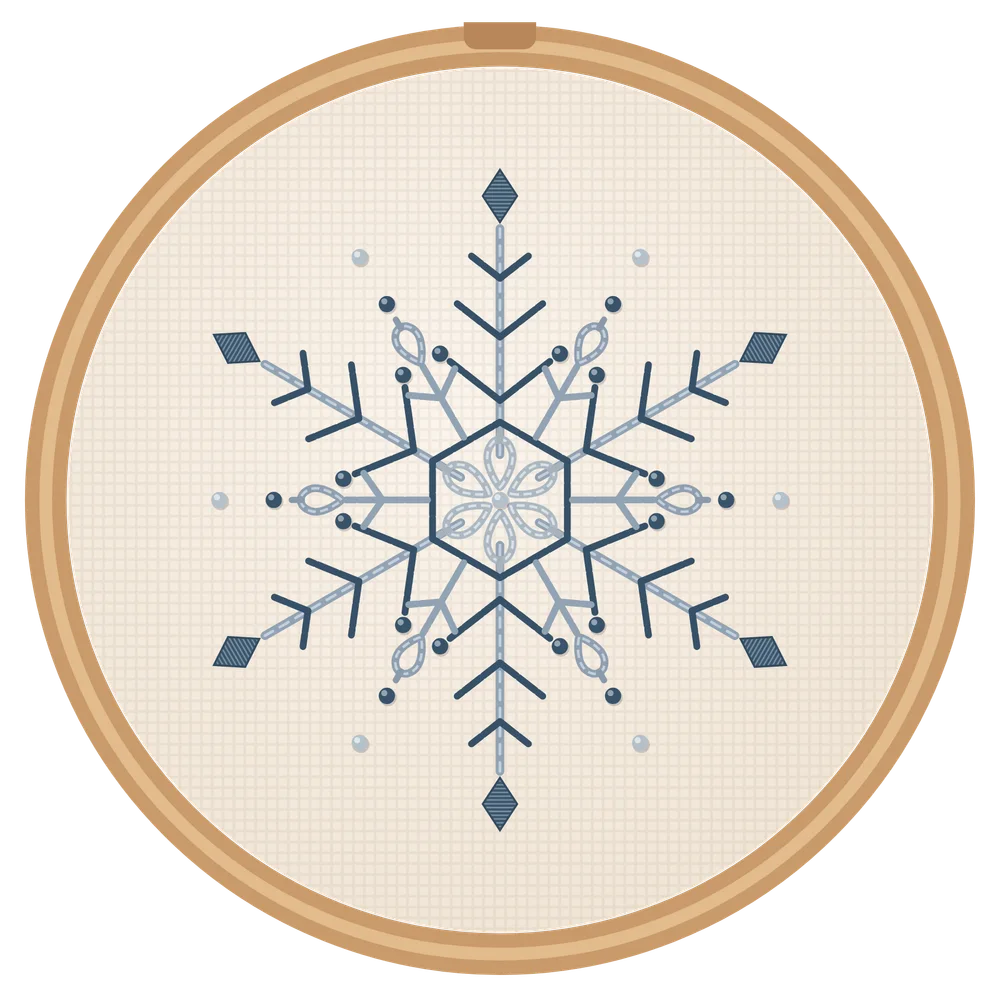
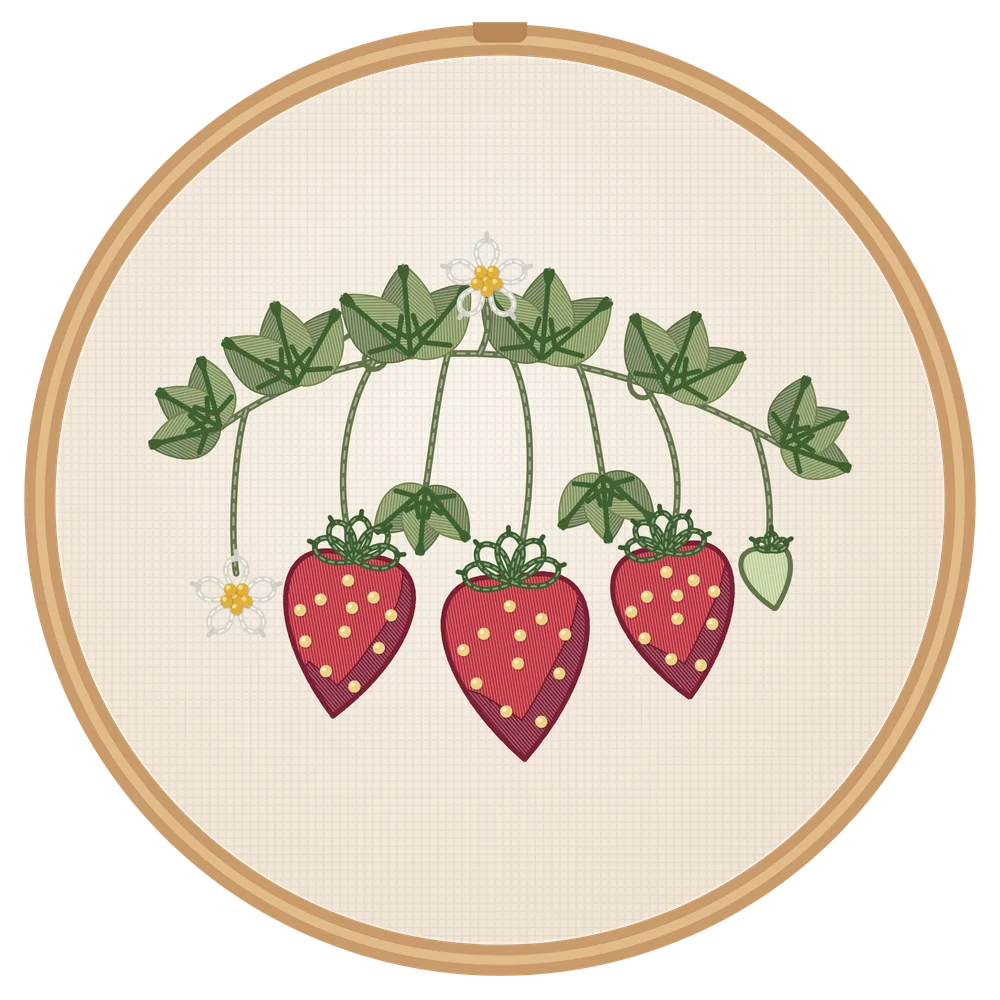
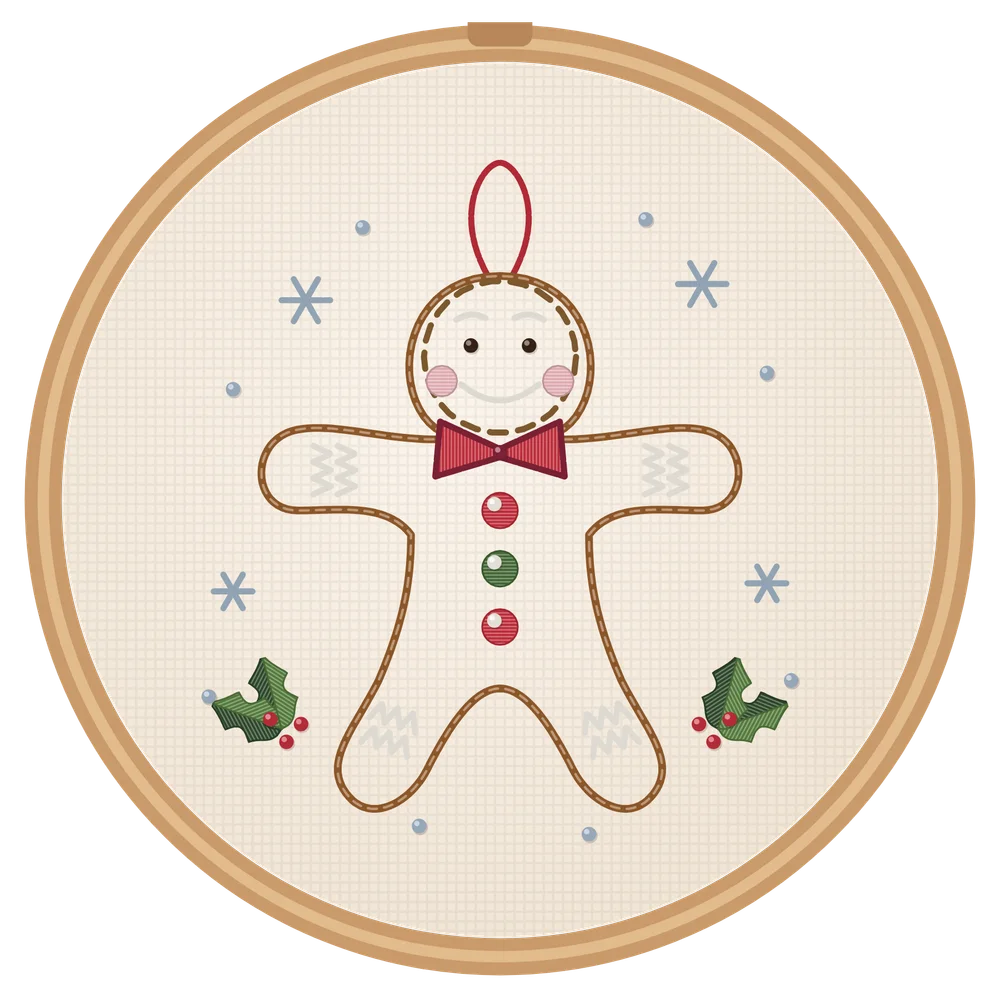
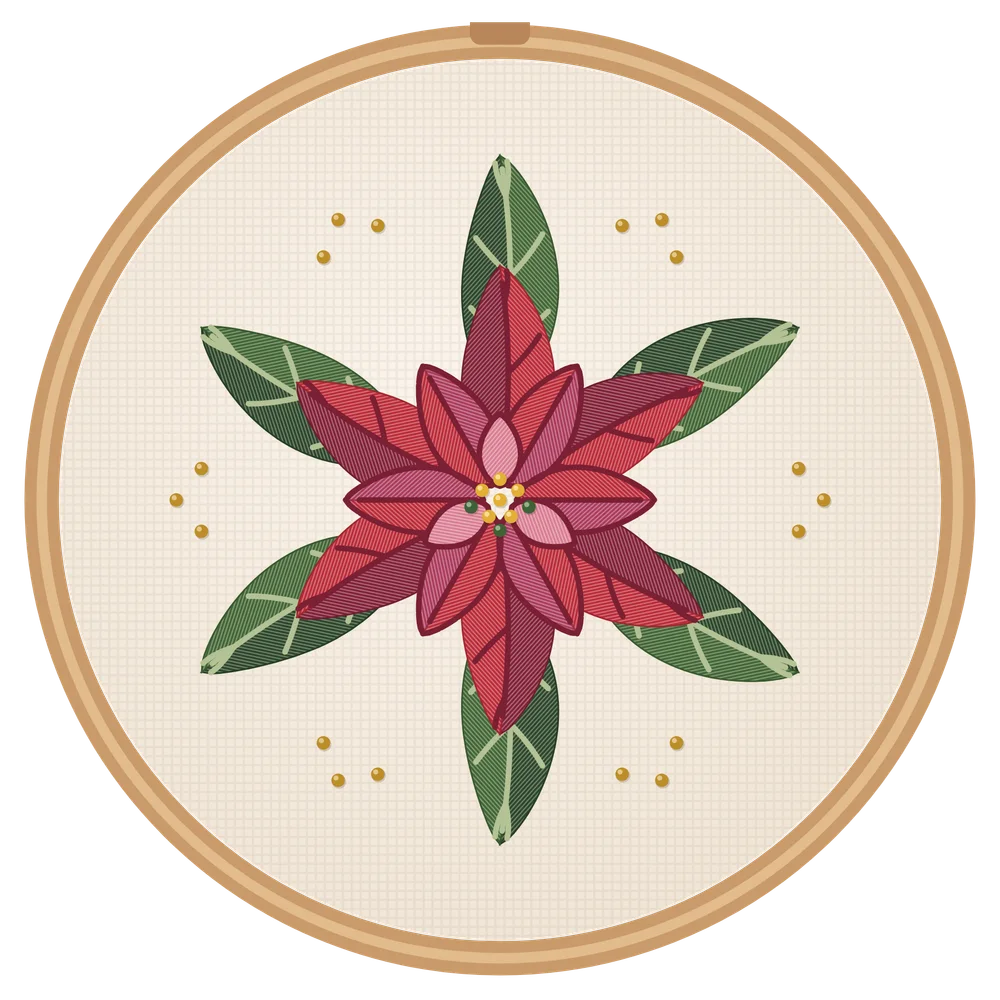


What’s in every free pattern
- A full-size tracing page with a 1 inch test square, so you know it printed true.
- A DMC thread key with color names, numbers and how many strands to use.
- A stitch guide with a diagram for each stitch the pattern uses. For bigger step-by-step pictures, see our hand embroidery stitches guide.
- A mirrored copy for iron-on transfer pencils.
Your hand embroidery starter kit
As an Amazon Associate we earn from qualifying purchases. Details
Hoops and fabric
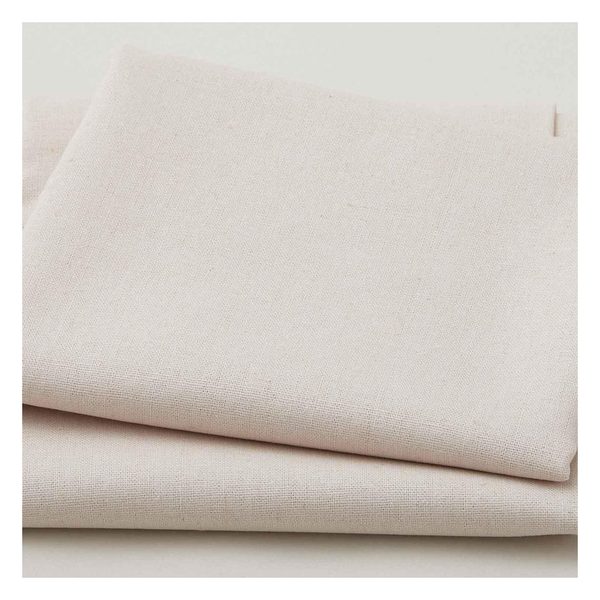
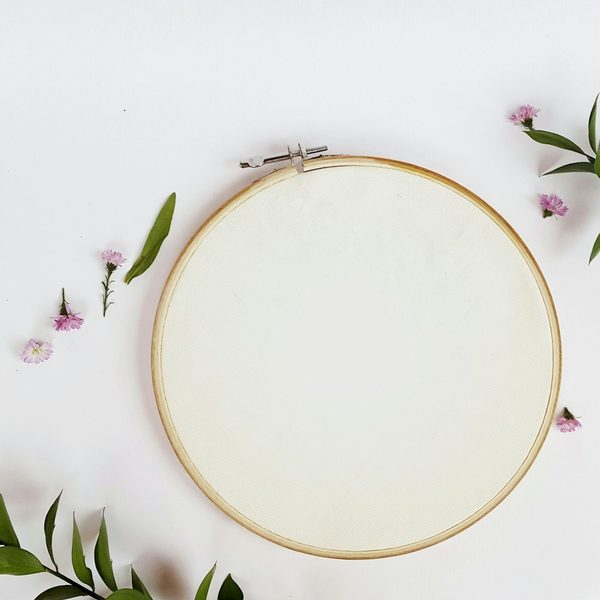
A set of wooden hoops in 4, 5 and 6 inch sizes covers every pattern here. For fabric, a washed medium-weight cotton or a natural linen is easiest to stitch through.
Needles and thread
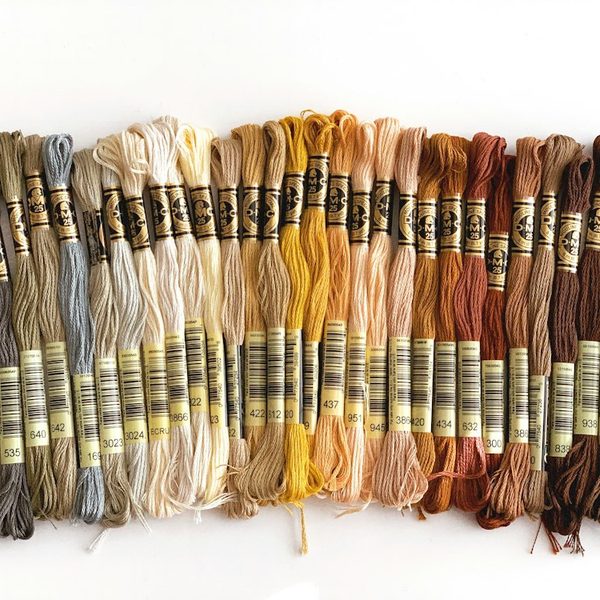
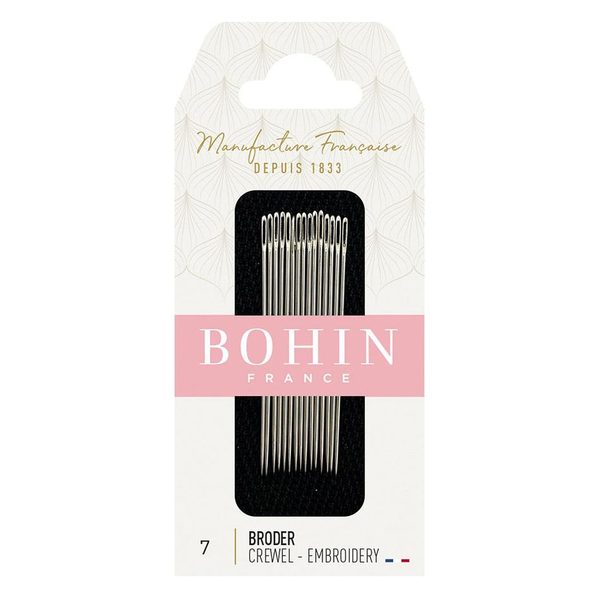
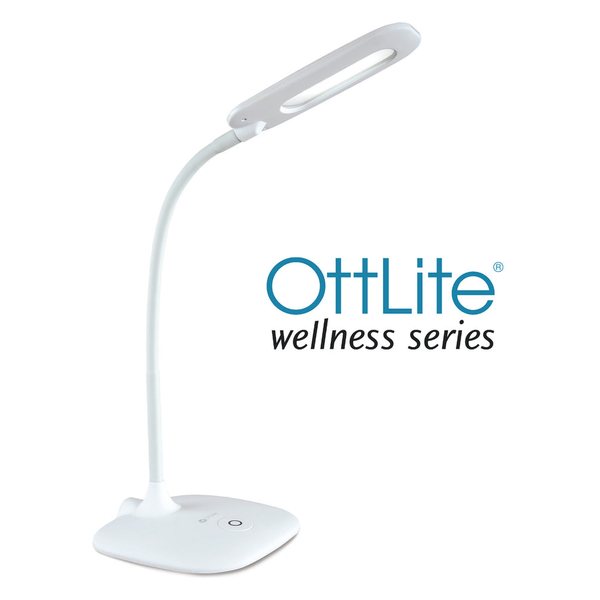
DMC stranded cotton is what we list in every pattern because it’s sold everywhere and the colors never change. Pair it with crewel needles, sizes 5 to 10. If small eyes are tricky, a needle threader and good light make all the difference; see our sewing light picks.
Marking and transfer
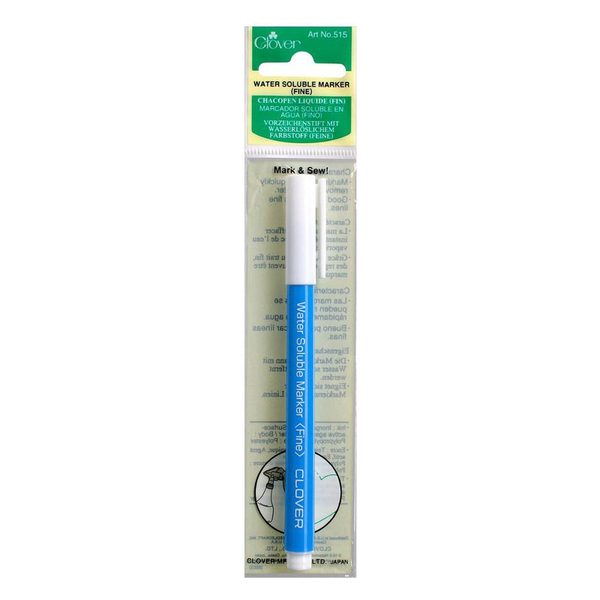
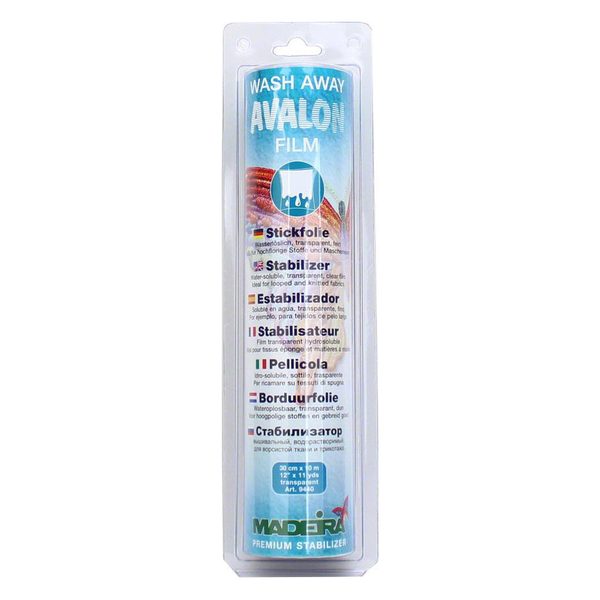
A water-soluble pen disappears with a damp cloth. For dark fabric, try printable wash-away stabilizer.
Prefer your machine to do the stitching?
We also make free machine embroidery designs, including a lavender bundle and a redwork heart that pair beautifully with these patterns, and a Christmas holly to match the Holly & Berries hoop.
Hand embroidery questions
What do I need to start hand embroidery?
A 4 to 6 inch hoop, a few crewel needles in sizes 5 to 7, a piece of cotton or linen, small sharp scissors, a water-soluble pen and the DMC colors listed in your pattern. That’s all.
How do I transfer a pattern onto fabric?
Tape the printed tracing page to a sunny window or a tablet screen, lay your fabric over it and trace with a water-soluble or heat-erasable pen. On dark fabric, use the mirrored copy in each PDF with an iron-on transfer pencil, or print onto wash-away stabilizer.
Which stitches should a beginner learn first?
Backstitch and stem stitch for lines, lazy daisy for petals and leaves, satin stitch for small filled shapes, and French knots for flower centres. Every pattern here uses only those, and each PDF shows how.
How many strands of floss should I use?
DMC stranded cotton has six strands that pull apart. Two strands suit most lines and petals in our patterns, and three make plumper French knots. The thread key in each PDF lists the strands for every color.