How we rate sewing machines
Our scores are out of five and weigh the things that decide whether a machine gets used or ends up in the closet. Spec sheets only tell part of the story, so we lean on owner reports that span years, sewing teachers and guild members, repair technicians, and each maker's own manuals.
- Threading and bobbin (25%). How easy it is to thread the needle, wind and drop in the bobbin, and on sergers, how kind the looper path is to your eyes.
- Stitch quality (25%). Even, balanced stitches on everyday cottons, plus how well it copes with the fabric it is meant for.
- Comfort (20%). Bright light, readable controls, speed control and a weight you can lift onto the table.
- Build and reliability (20%). Long-term reputation, how steady it sits at speed, and how easy it is to get serviced.
- Value (10%). What you get for the money compared with the other machines on this page.
A 4.5 or above is a machine we would happily buy for our own sewing room. Around 4.0 means good, with a catch you should know about first. We don't list machines we wouldn't recommend to someone.
How to choose the right machine for you
Start with what you actually sew
Mending, hemming and simple home projects need very little: a straight stitch, a zigzag and a good buttonhole. Quilters want a steady straight stitch, room to the right of the needle and a speed control. If you sew denim, canvas or upholstery, a heavier mechanical machine like the Singer Heavy Duty 4423 or Janome HD3000 will feel calmer under the needle. Our quilting machine guide goes deeper on throat space and walking feet.
Sewing machine, serger or coverstitch?
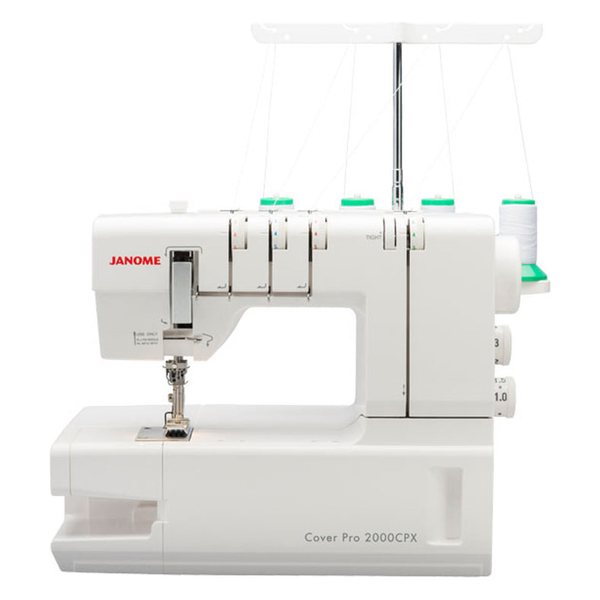
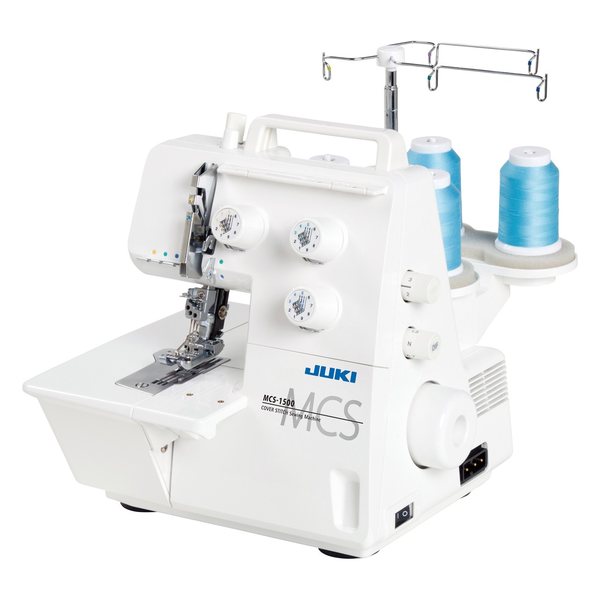
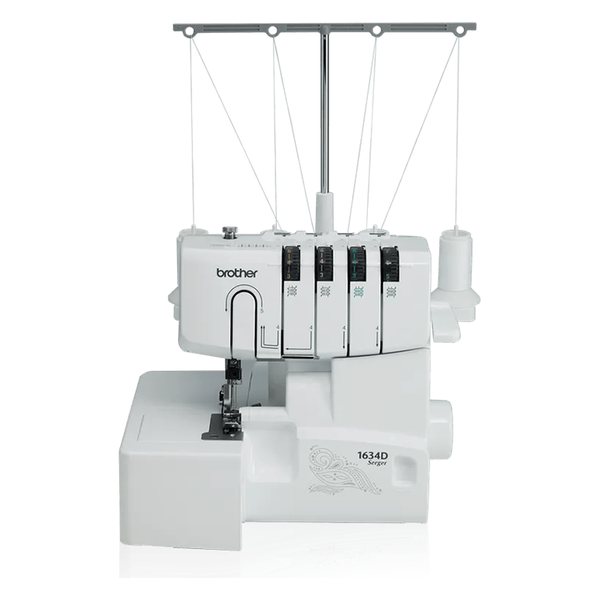
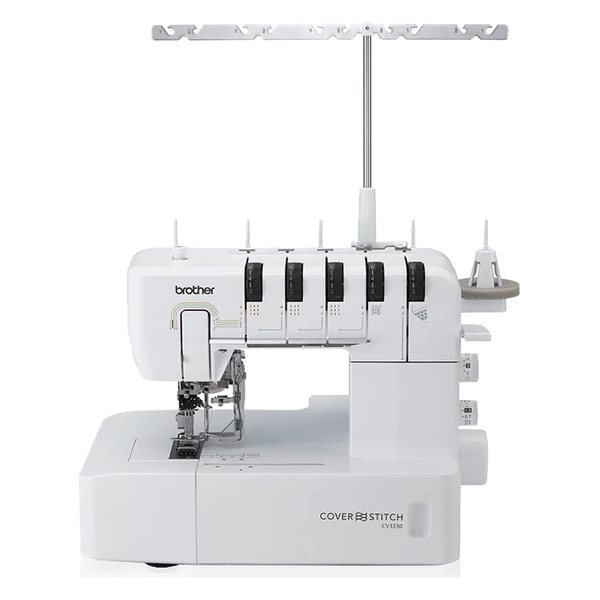
Your sewing machine does every job. A serger trims and wraps the edge as it sews, which makes knits and garment seams look professional. A coverstitch sews the twin-needle hem you see on t-shirts. If you are deciding which to add, read serger vs coverstitch first.
Features that make sewing easier on hands and eyes
An automatic needle threader, a drop-in bobbin with a clear cover, bright LED light and a speed slider make more difference than a hundred decorative stitches. On sergers, air threading is the single biggest comfort upgrade. Our guide to sewing machines for seniors explains each one, and our sewing light guide helps any machine.
Set a budget that fits how often you sew
Most people are best served between $200 and $400. Under $200 works for light sewing. Above that, you are paying for something specific, such as a straight-stitch quilting machine or jet-air threading, so buy it when you know you'll use it.
Sewing machine questions we hear most
What is the most reliable sewing machine brand?
Brother, Janome, Juki and Singer all make machines that last when they are looked after. Brother is the easiest to find help and parts for, Janome and Juki tend to feel sturdier and quieter, and Singer is strong on simple heavy-duty mechanical machines. The specific model matters more than the badge, which is why we rate each machine on its own.
What sewing machine is easiest for seniors to use?
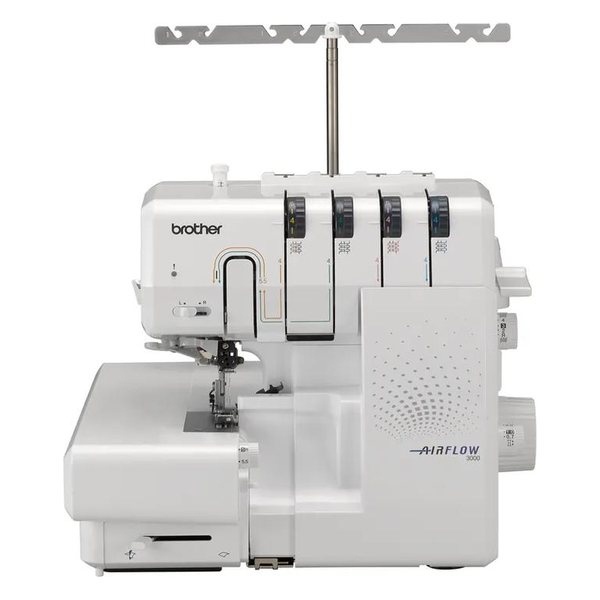
Look for an automatic needle threader, a drop-in bobbin with a clear cover, bright LED light, a speed control slider and a weight you can lift comfortably. Of the machines we have rated, the Brother CS7000X ticks every box. For sergers, an air-threading model like the Juki MO-1000 or Brother Airflow 3000 saves the most strain on hands and eyes.
How much should I spend on a good sewing machine?
For everyday sewing, mending and small quilts, $200 to $400 buys a machine you will not outgrow quickly. Under $200 is fine for light use. Spend more when you know exactly what you need, such as a straight-stitch quilting machine, a heavy mechanical workhorse or an air-threading serger.
Do I need a serger if I already have a sewing machine?
No. A sewing machine sews every seam you need. A serger trims, sews and finishes the edge in one pass, so your seams look store-bought and knits stretch without popping. Most people add one once they sew garments or knits regularly. Our serger vs coverstitch guide explains which second machine to choose.
Are your ratings paid for?
No. Companies cannot pay for a spot or a score. Some links go to Amazon, and if you buy through them we may earn a small commission at no extra cost to you. That never changes which machines we recommend or what we say about them.
How often do you update these reviews?
Whenever we publish a new review or roundup, the machine is added here with its rating, and older ratings are checked against new owner reports. Prices change daily, so we show a price range and link to Amazon for today’s price.
Looking for something else? Browse our serger guides, quilting guides, thread and notions, or head back to the Beauty of Sewing home page.