Which stitch to use for what
Every pattern tells you which stitch goes where, but once you know the jobs each one does, you can stitch any drawing you like.
| Stitch | What it makes | Strands |
|---|---|---|
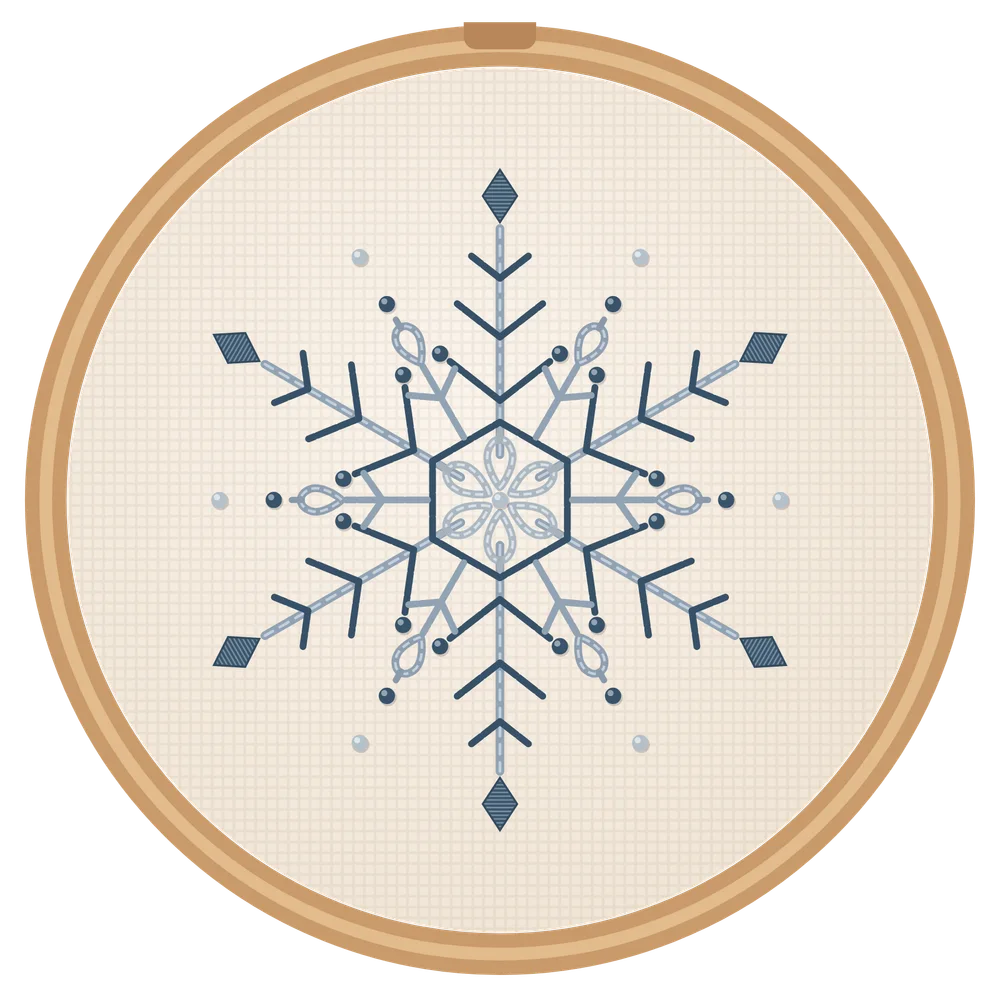
| Backstitch | Outlines, lettering, fine details | 2 strands (1 for tiny lettering) |
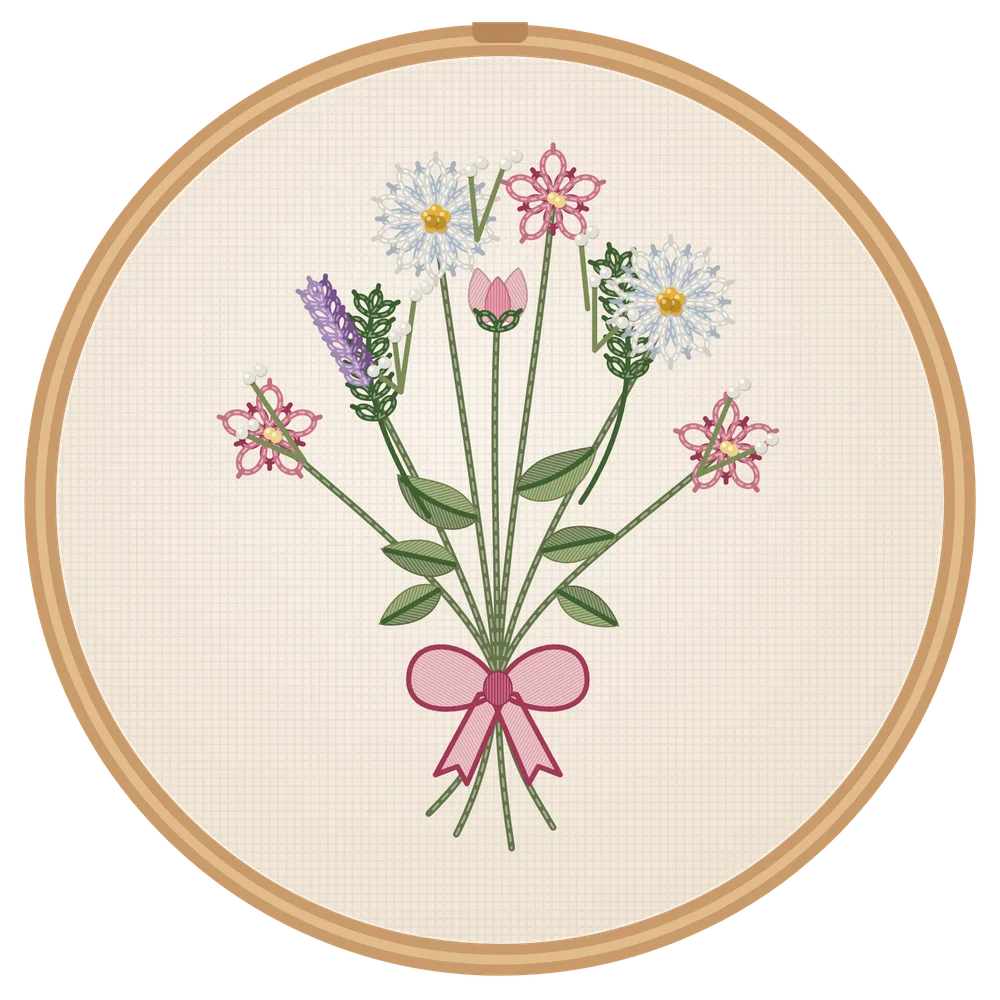
| Stem stitch | Stems, vines, curves, script lettering | 2 or 3 strands |
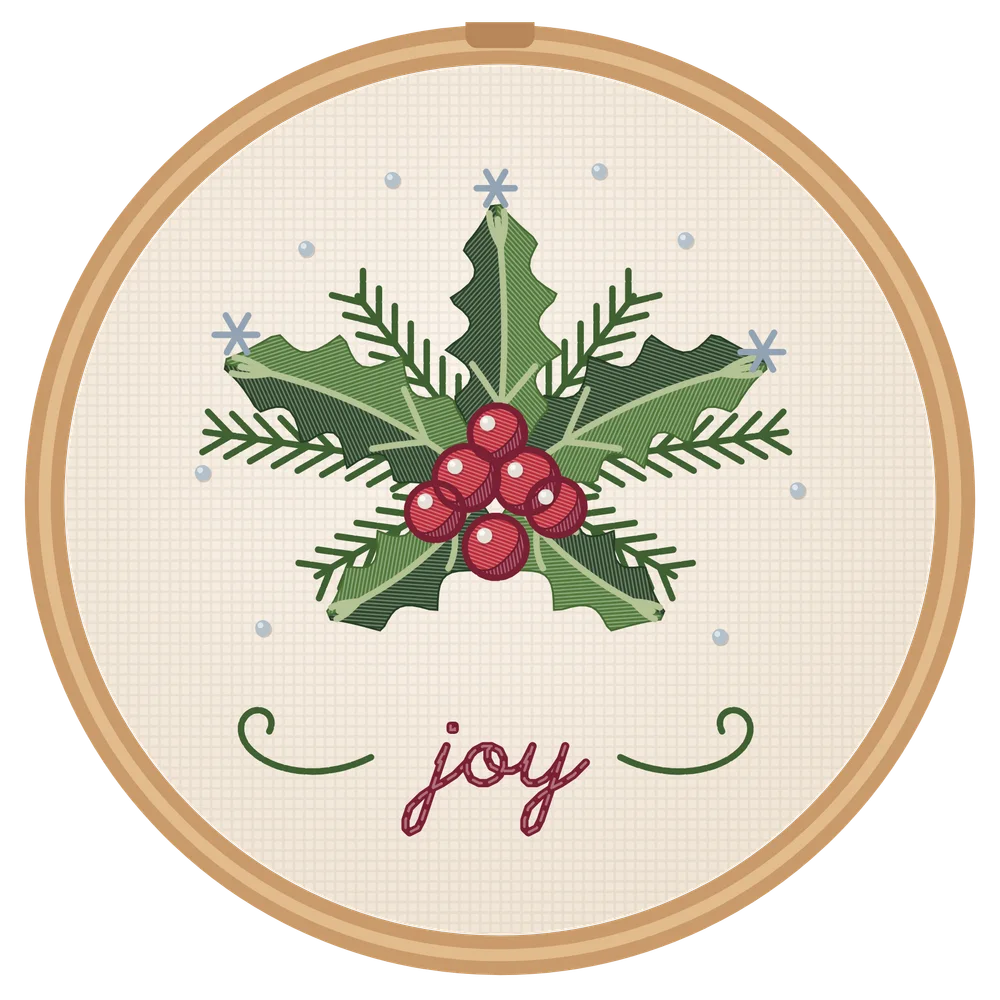
| Satin stitch | Leaves, petals, berries, fruit, small shapes | 2 strands |
| Lazy daisy | Petals, leaves, lavender buds, flower clusters | 2 strands |
| French knot | Flower centres, berries, seeds, eyes, dots | 2 or 3 strands, 2 wraps |
A bonus stitch: running stitch
Running stitch is the very first stitch most of us learned: the needle weaves up and down along the line, leaving a dashed line behind. It is perfect for flight paths, quilting-style details and soft borders. Make the stitches a little longer than the gaps and keep them even. For a smooth cord, whip it with a second color by sliding the needle under each stitch without piercing the fabric.
- 1Weave up and down
- 2Stitches longer than gaps
- 3Whip it for a cord
The order to learn them in
1. Backstitch and stem stitch for lines
Start with backstitch, then stem stitch. Between them they draw every outline, stem and letter, and they teach you to keep stitch lengths even.
2. Lazy daisy and French knots for flowers
Next, lazy daisy petals and French knot centres. With those two you can stitch a whole meadow.
3. Satin stitch for filled shapes
Finish with satin stitch. It takes the most practice, and it is the one that makes leaves, berries and lemons look real.
Hand embroidery supplies for beginners
As an Amazon Associate we earn from qualifying purchases. Details
Hoop, fabric and floss
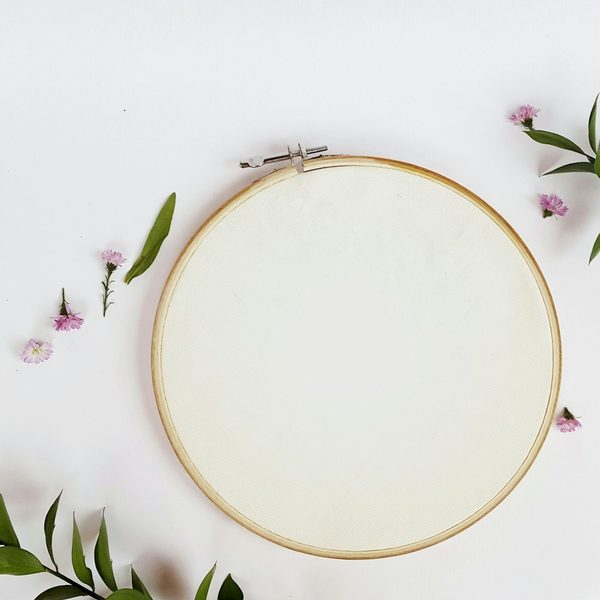
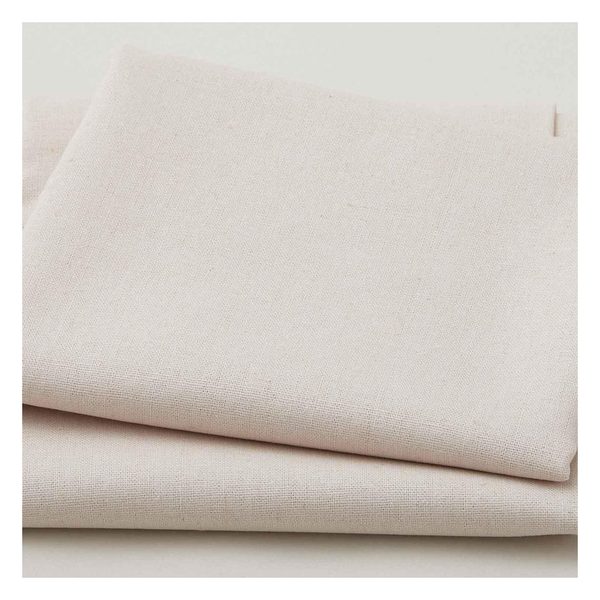
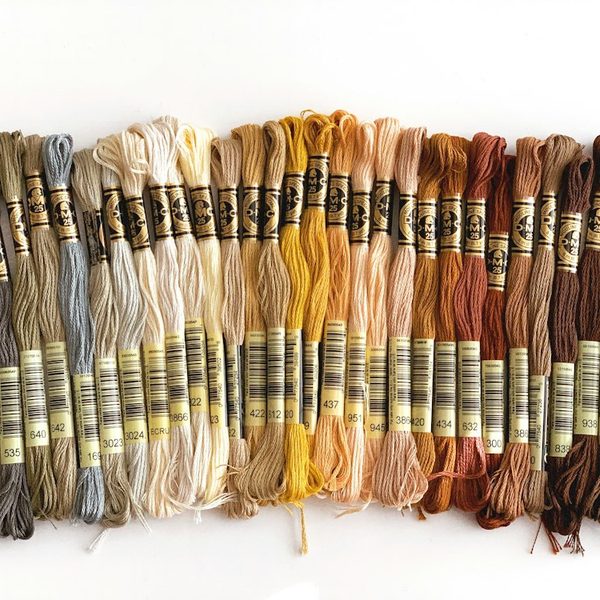
A set of wooden hoops in 4, 5 and 6 inch sizes, medium-weight cotton or natural linen, and DMC six-strand floss cover everything on this page.
Needles, scissors and light
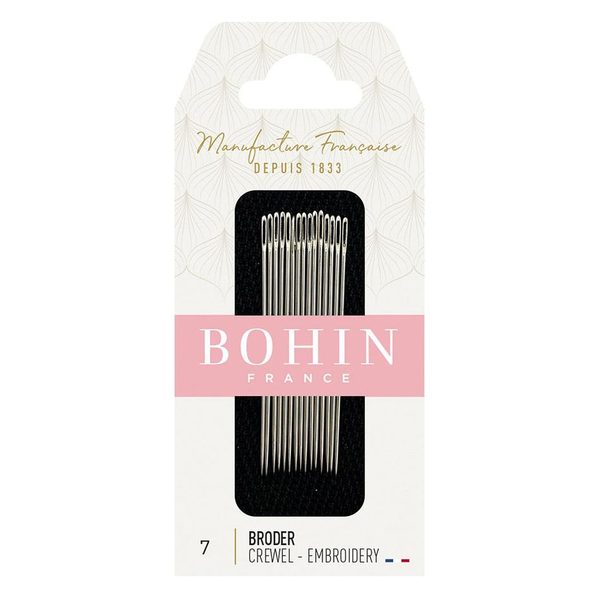
Crewel needles in sizes 5 to 9, a pair of small sharp embroidery scissors, and good light. If threading those long, narrow eyes is a struggle, our best needle threaders guide has a threader for every needle, and our lighting guide covers lamps and magnifiers.
Hand embroidery stitch questions
What are the basic hand embroidery stitches?
Backstitch, stem stitch, satin stitch, lazy daisy and French knot. With those five (plus running stitch) you can work nearly every beginner pattern, including all of our free ones.
Which embroidery stitch should I learn first?
Backstitch. It is the simplest to keep neat, and it outlines most designs. Learn stem stitch next for curves, then lazy daisy, French knot and satin stitch.
How many strands of embroidery floss should I use?
DMC floss has six strands that pull apart. Two strands suit most lines and petals, one strand is for tiny lettering, and three strands make bold stems and plumper French knots.
What needle is best for hand embroidery?
A crewel (embroidery) needle in size 5 to 9. It has a sharp point for woven fabric and a long eye that takes several strands. For French knots, a straw or milliner needle is even easier.