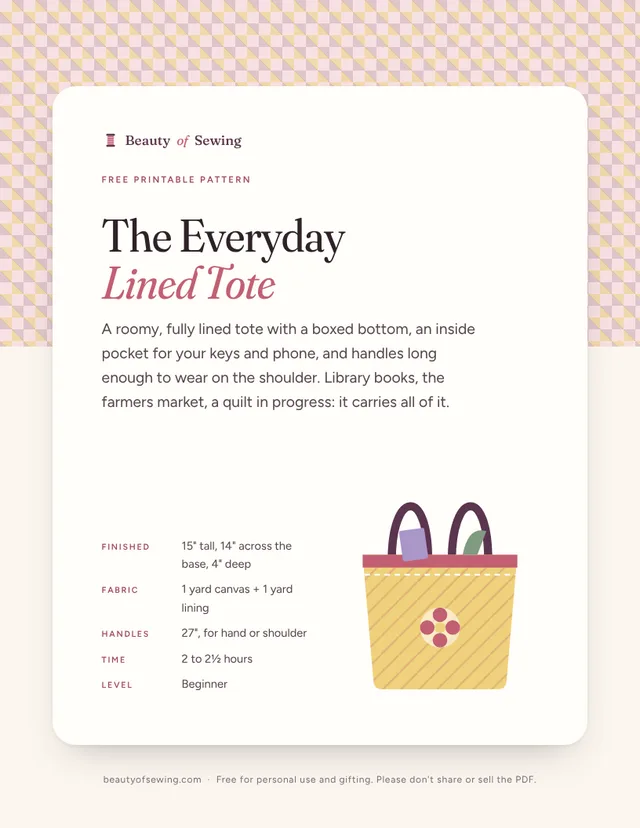
What the finished everyday lined tote looks like
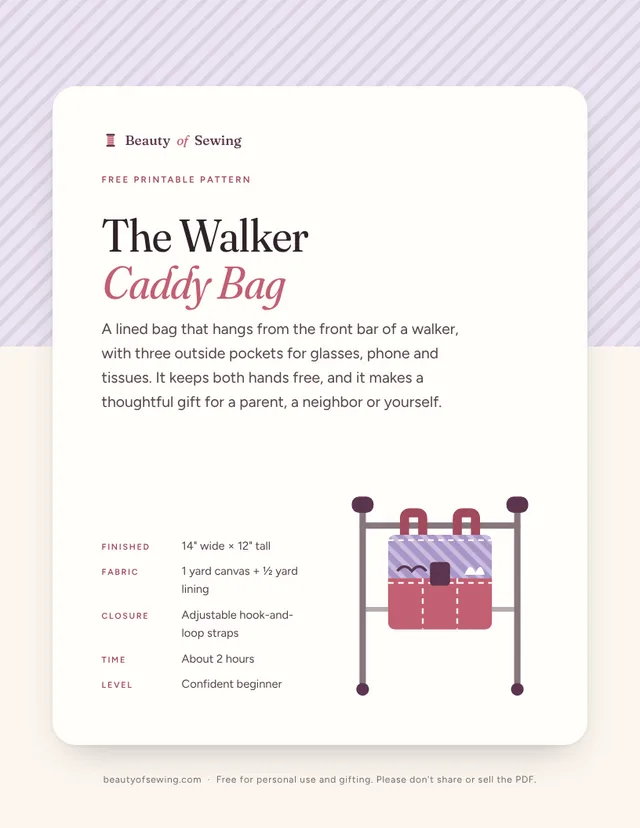
Finished size: 15" tall, 14" base, 4" deep. Sewing time: 2 to 2½ hours.

What you'll need
As an Amazon Associate we earn from qualifying purchases. Details
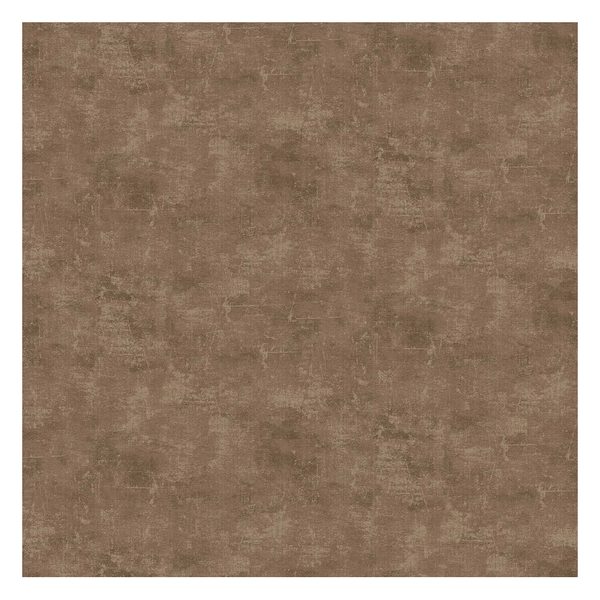 Cotton canvas, duck or denim1 yard, 44" wide, for the outside and handles.Shop on Amazon
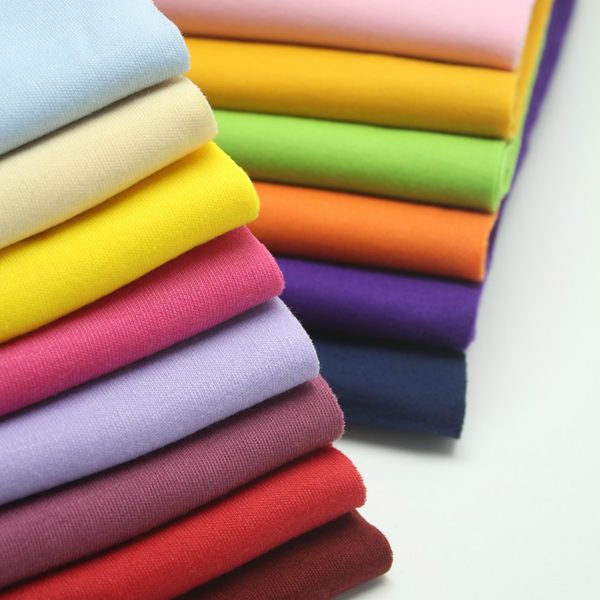 Quilting cotton for the lining and pocket1 yard. Prewash both fabrics before cutting.Shop on Amazon
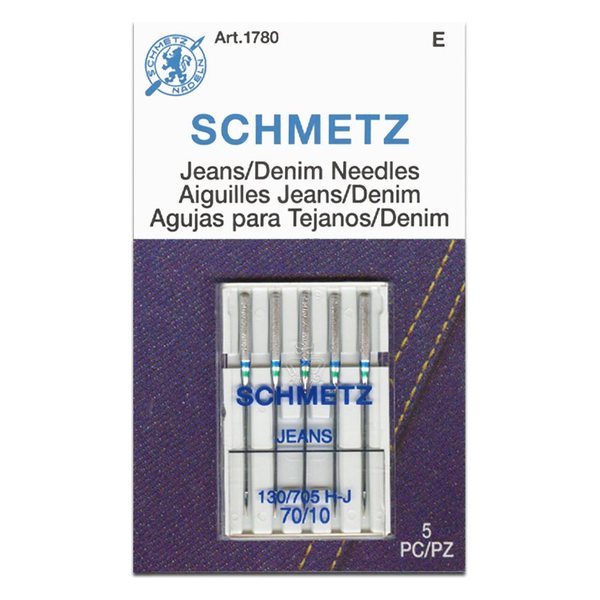 Denim or 90/14 machine needlesFour layers of canvas at the handles need a strong, sharp needle.Shop on Amazon
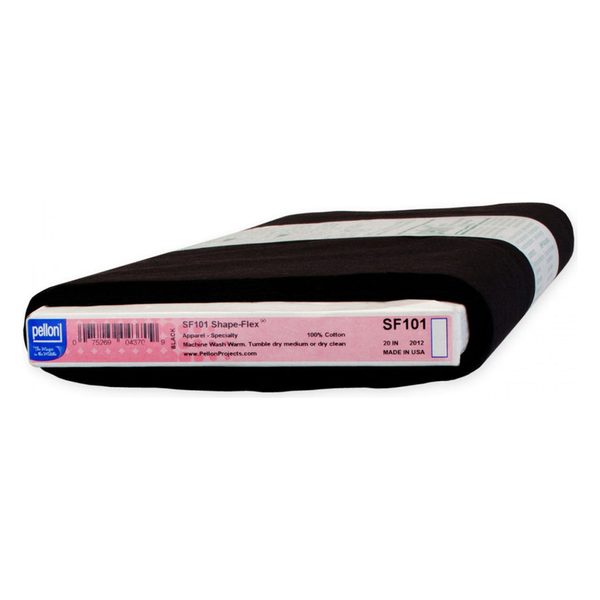 Medium-weight fusible interfacingOnly needed if you use quilting cotton for the outside. About 1¼ yards.Shop on Amazon
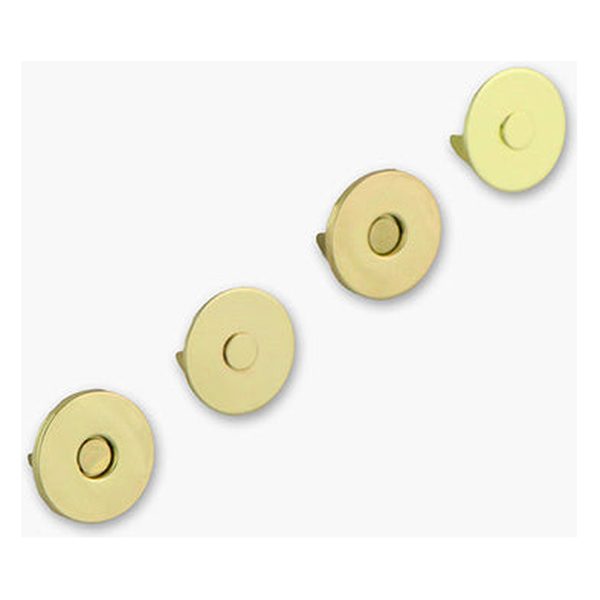 Magnetic purse snapsOptional, for closing the top.Shop on Amazon
Most free tote bag patterns are a flat, unlined rectangle that slumps the moment you put something in it. This one is different. It’s fully lined, it has a 4 inch boxed bottom so it stands up on its own, there’s an inside pocket for your keys and phone, and the handles are long enough to wear on your shoulder.
It’s the bag we take to the library, the farmers market and the quilt shop, and it’s cut entirely from rectangles, so there’s nothing to print or trace.
What’s in the free tote bag PDF
- Seven pages with large type and a diagram for every step.
- A cutting chart and to-scale layouts for both the canvas and the lining.
- Seven illustrated steps: handles, pocket, boxed corners, lining and finishing.
- Variations for a magnetic snap, an outside pocket, a larger grocery tote, and a quick unlined version finished on the serger.
How the tote comes together
You start with the handles, pressing each strip into quarters and edgestitching both sides for a neat, strong strap. The inside pocket is sewn and turned so its edges are finished, then stitched to the lining with a pen slot if you’d like one.
The outer bag and lining are each sewn into a simple bag with boxed corners. Handles are basted to the outer, the outer goes inside the lining, and one seam around the top joins them. Turn it right side out through a gap in the lining, topstitch the top edge, and it’s ready to carry.
Choosing fabric
Cotton canvas, duck, denim and home décor fabrics are the easiest choices because they have body without interfacing. If you’ve fallen for a quilting cotton print, fuse medium-weight interfacing to the outer pieces and the bag will hold its shape just as well.
At the handles you’ll be sewing through four layers of canvas, so put in a denim or 90/14 needle and slow down. If your machine struggles with thick fabric, our Singer Heavy Duty 4423 review covers a machine that handles it comfortably, and our needle guide explains which needle suits which fabric.
Tips for a tote that lasts
- Prewash everything. Canvas can shrink more than the lining, and a tote that puckers after the first wash is a sad thing.
- Check the handles aren’t twisted before you baste them. Lay the bag flat and look before you sew.
- Add a second row of topstitching ¼ inch below the first. It looks smart and reinforces the handles.
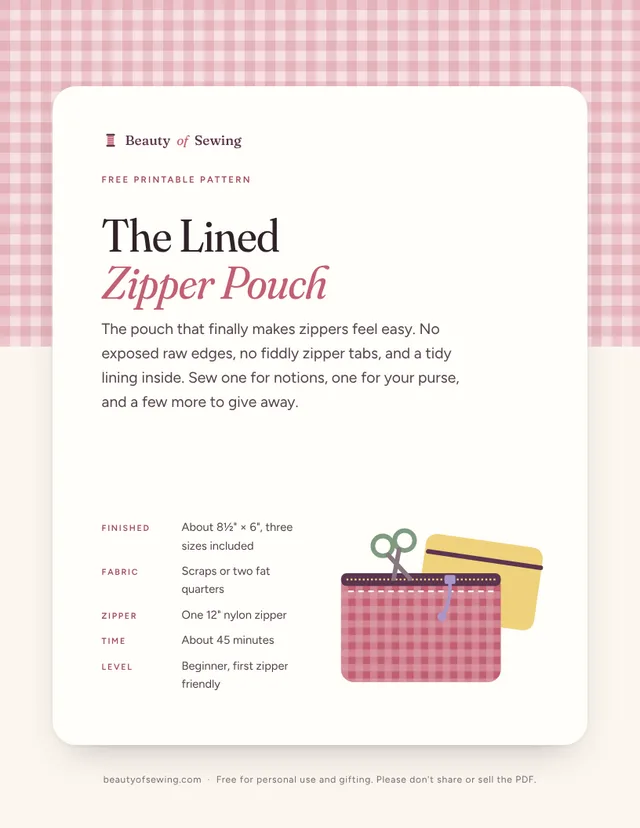
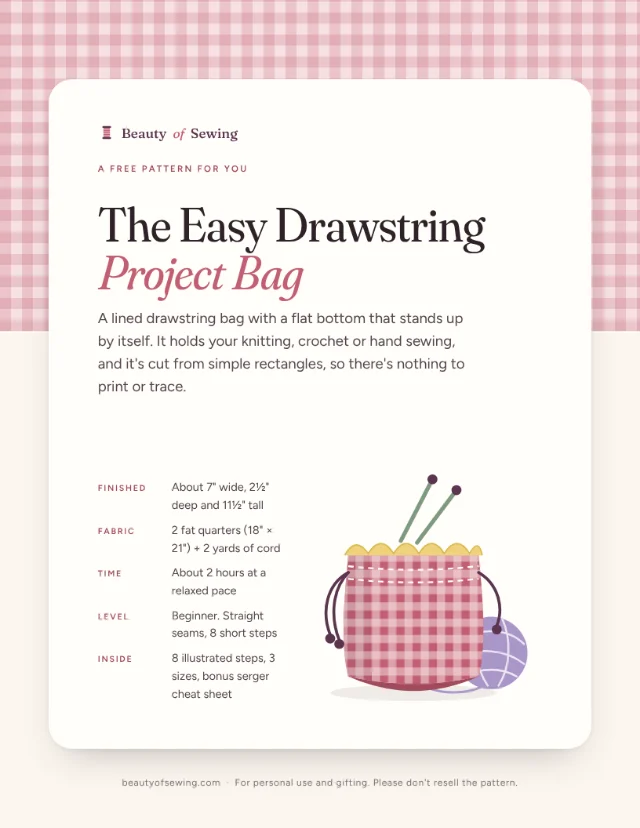
Going on a trip? The Lined Zipper Pouch is the perfect inside organizer, and if you knit or crochet, the free Easy Drawstring Project Bag holds a project inside your tote.
Questions about this pattern
How much fabric do I need for a lined tote bag?
One yard of 44 inch wide canvas for the outside and handles, and one yard of quilting cotton for the lining and inside pocket. The PDF includes to-scale cutting layouts for both.
Is this tote bag pattern good for beginners?
Yes. Every piece is a rectangle, and the trickiest step, boxing the corners, has its own diagram. If you can sew a straight seam you can make this bag in an afternoon.
Can I use quilting cotton for the outside?
You can. Fuse medium-weight interfacing such as Pellon SF101 to the outer pieces first so the bag holds its shape. Without it, quilting cotton makes a soft, slouchy tote.
How long are the handles?
About 27 inches once sewn in, which is long enough to wear on the shoulder over a coat but still comfortable to carry by hand. You can shorten them to 22 inches for a hand-held tote.
Can I sell tote bags made from this pattern?
Yes. You are welcome to sell the totes you make at markets and craft fairs. Please share a link to this page rather than the PDF itself.